Ireland aren’t at the World Cup – but here’s why we’ll still be watching
Every four years, it happens
The fixture list appears. The wall charts come out. The office sweepstake is drawn. The conversations begin.
Who will win? Which outsiders might surprise everyone? Which superstar will earn the right to be named in the same breath as Pele, Maradona, and Messi?
Then, as Irish football fans, we experience the familiar pang of disappointment. Because once again – and despite a valiant late push for qualification – the Republic of Ireland won’t be there.
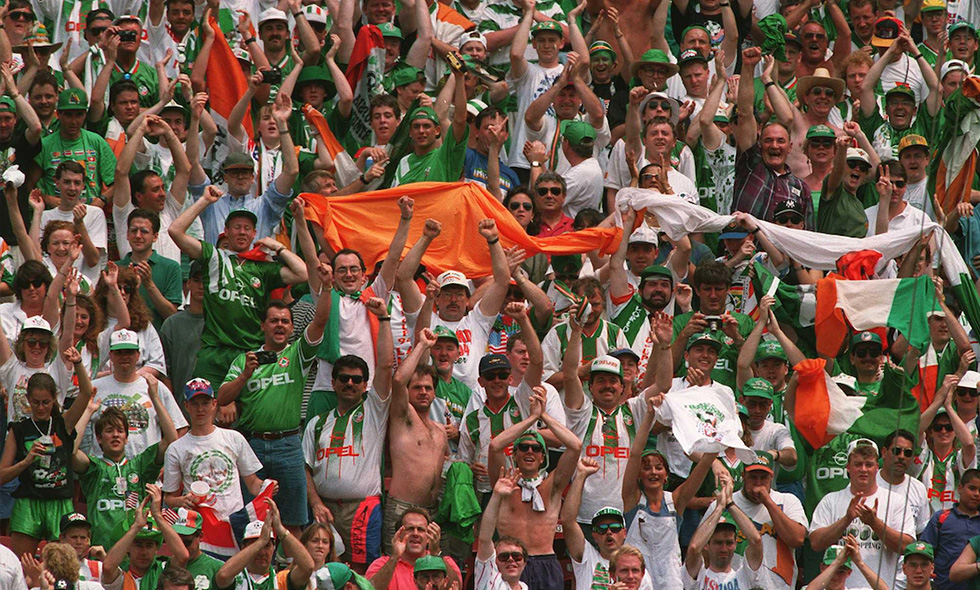
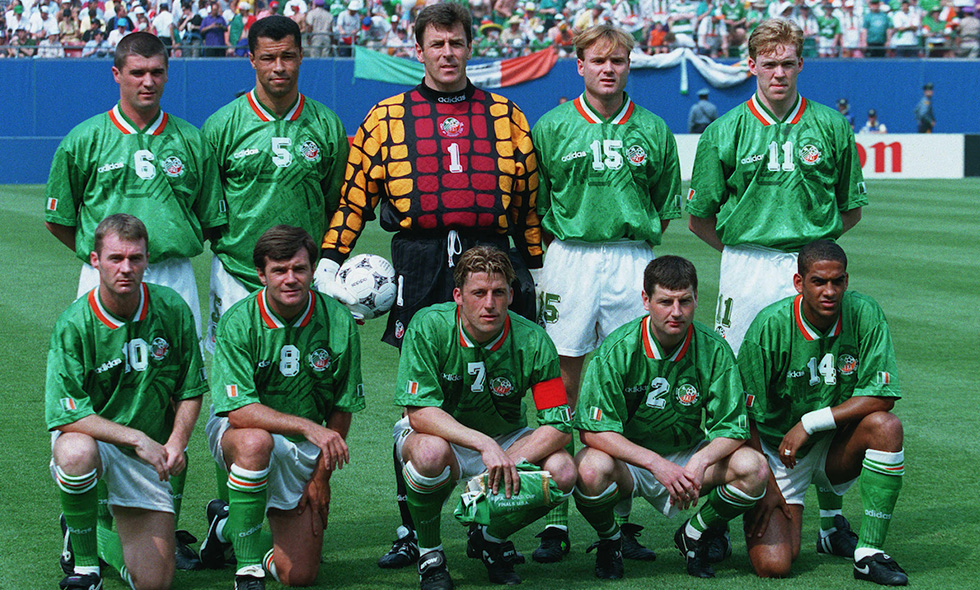
For supporters of a certain age, that’s always difficult to accept. We remember when Ireland regularly graced the sporting world’s biggest sporting stage. We remember the excitement of Jackie’s Army, the highs and lows of USA ’94, and the divisive drama of Saipan. But most of all, we remember the anticipation and pride of seeing the green jersey among football’s elite nations.
Yet despite that disappointment, there is something else that happens every World Cup. We watch. We always watch.
Every four years, no matter the time difference and clashes with work and life commitments, we gorge ourselves on this festival of football. We tell ourselves we won’t get sucked in. Then suddenly we’re watching four matches a day, arguing about VAR, and cheering for whoever is playing England.
Because while Ireland’s absence leaves a painful void, the World Cup itself remains sport’s greatest occasion.
The sporting event that stops the world
The Olympics comes close, The Masters and Wimbledon have their traditions, while at home the All-Ireland football final captivates the nation. But nothing compares to the World Cup.
For more than six weeks, the world’s most popular sport takes its rightful place at the centre of the sporting universe. Early morning kick-offs, late-night drama, penalty shootouts, VAR controversy, reputations forged and destroyed, moments that are discussed for decades afterwards.
Even those who don’t normally follow football find themselves drawn in. There is something irresistible about the sense of occasion.
The fans, the packed stadiums, the colour, the noise and the knowledge that billions of people around the world are just as transfixed as you.
Yes there’s been controversy – around FIFA’s greed, extortionate ticket prices, and joint host the USA’s questionable approach to welcoming the world – but this will fade into the background at 8pm on Thursday when Mexico and South Africa kick off in the first match.
When Ireland was there
A large part of the reason Irish fans love the World Cup so much is because of the memories it evokes.
For many, Italia ’90 remains a defining sporting, nay cultural, moment in their lives.
The summer when Ireland reached the quarter-finals under the leadership of Jack Charlton wasn’t simply about football. It became a celebration of a nation finding its feet on the world stage.
Packed pubs, televisions wheeled into offices, and entire streets erupting when David O’Leary scored the winning penalty in the shoutout against Romania to claim a place in the quarter-finals.
Four years later came USA ’94 and unforgettable scenes when Ray Houghton’s looping shot past Italian goalkeeper Gianluca Pagliuca secured one of the greatest victories in Irish football history.
Even the 2002 tournament, despite all the drama that preceded it, produced memories that remain vivid today. Indeed, Robbie Keane’s injury time equaliser against Germany to clinch qualification for the last 16 ensure that his namesake Roy’s spat with Manager Mick McCarthy wouldn’t be the only Irish talking point from that World Cup.
For a generation of Irish fans, those moments helped make the World Cup feel personal.
More than just a game
The older we get, the more we realise that our favourite sporting memories are often about much more than sport.
The World Cup reminds us of where we were and who we were with.
It brings back memories of family gatherings, of holidays, summer evenings, and conversations with friends who may no longer be with us.
A famous goal can transport us back decades in an instant. The feeling of that moment rushed back in an instant. The players change. The stadiums change. Even the way we watch changes. But the emotion remains consistent.
We’ll be watching again
That’s a big part of why we’ll watch again – the yearning for that emotional fix.
Of course, it will be difficult in the absence of the Boys in Green – but once the first whistle blows, we’ll become invested.
We’ll adopt a favourite team – possibly a few. We’ll marvel at stars seizing their chance to shine. We’ll debate refereeing decisions. We’ll stay up far too late to watch a match that suddenly feels too important to miss.
Once the gluttony of four matches a day during the group stage subsides, we’ll draw breath, dive back in and marvel at the quality of play during the knockout stages.
Then, when the final comes and goes, we’ll find ourselves saying the same thing we’ve said after every World Cup for decades: “What do I do now?”
Ireland may not be there this time. But it’s still the World Cup – and for football fans of a certain generation, that’s more than enough reason to tune in.
We use cookies to optimise our website and our service.
Functional
Always active
The technical storage or access is strictly necessary for the legitimate purpose of enabling the use of a specific service explicitly requested by the subscriber or user, or for the sole purpose of carrying out the transmission of a communication over an electronic communications network.
Preferences
The technical storage or access is necessary for the legitimate purpose of storing preferences that are not requested by the subscriber or user.
Statistics
The technical storage or access that is used exclusively for statistical purposes.The technical storage or access that is used exclusively for anonymous statistical purposes. Without a subpoena, voluntary compliance on the part of your Internet Service Provider, or additional records from a third party, information stored or retrieved for this purpose alone cannot usually be used to identify you.
Marketing
The technical storage or access is required to create user profiles to send advertising, or to track the user on a website or across several websites for similar marketing purposes.